Preparing Your Boat for Mexico: A Cruiser's Guide to Sailing South from San Diego
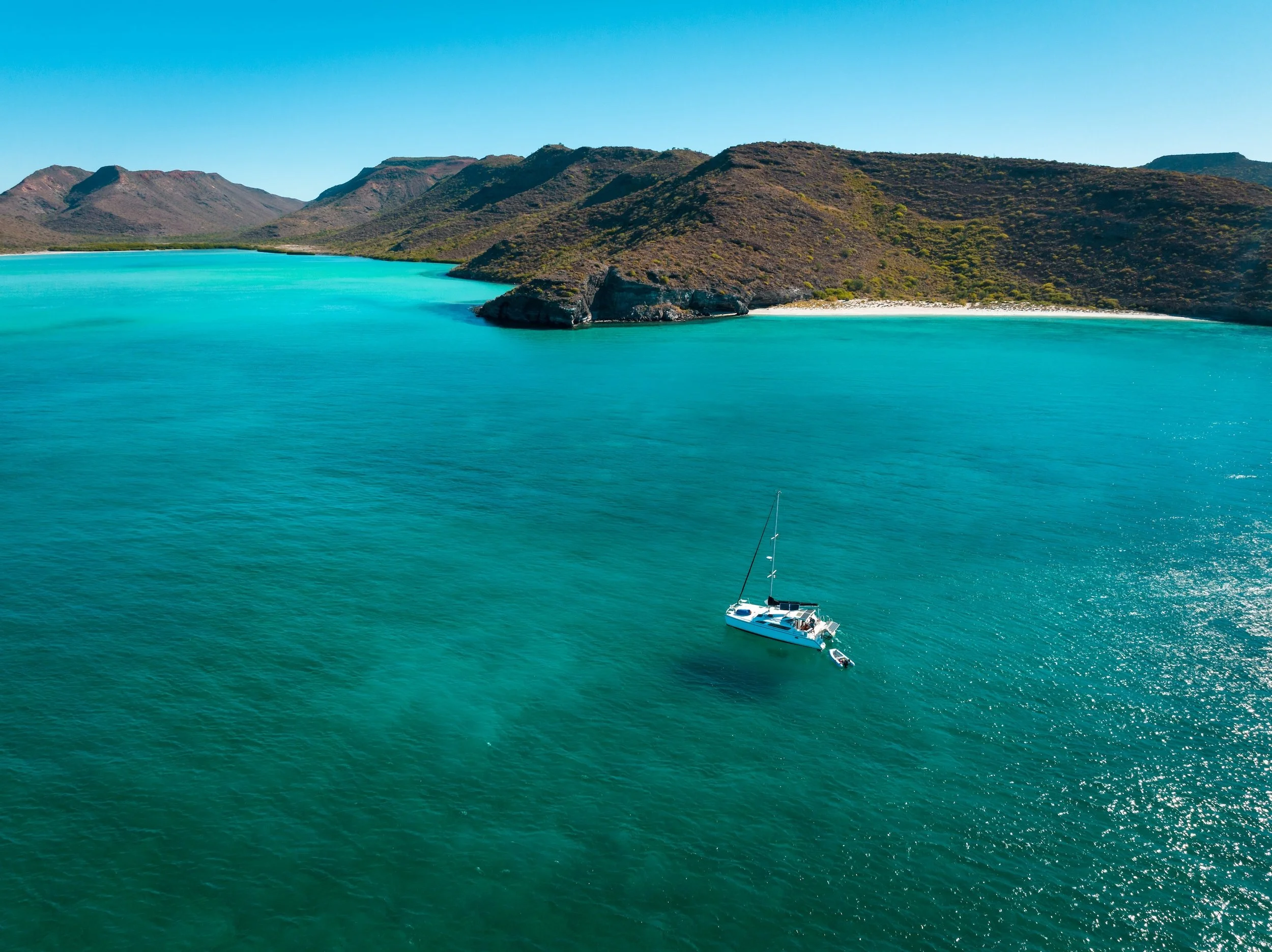
Every year, as summer starts winding down in Southern California, sailors and boat owners alike begin looking south.
For some, the goal is the Baja Ha-Ha: a roughly 750-mile rally from San Diego to Cabo San Lucas with stops in Turtle Bay and Bahia Santa Maria. For others, the plan is simply to head south for the winter, spend some time cruising the Sea of Cortez, or continue farther down the coast.
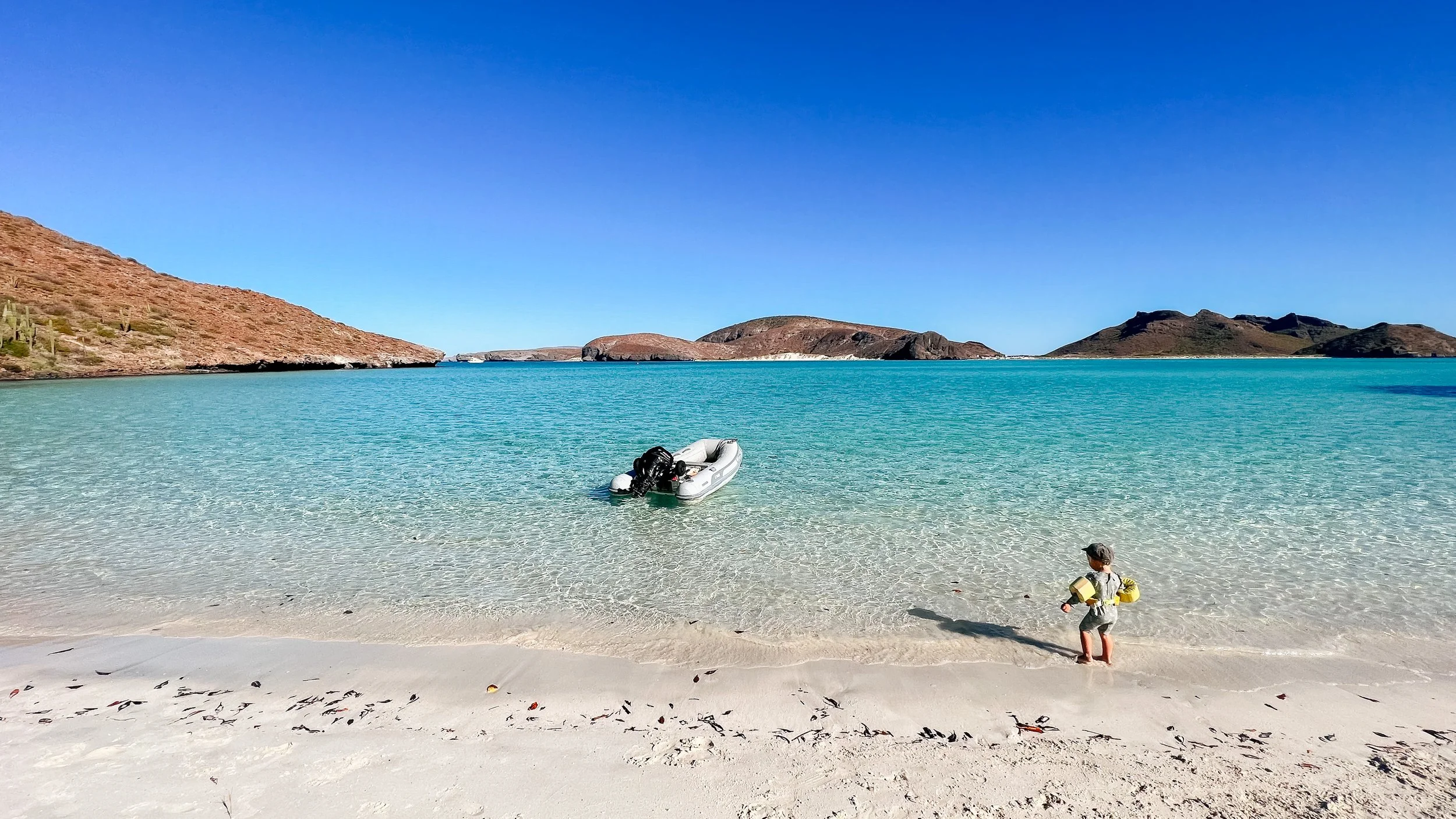
Whatever the destination, the idea is pretty appealing: leave California behind for the winter, find warmer weather, explore new anchorages, meet other cruisers, and spend time somewhere that feels a world away.
But before pointing the bow south, it is worth taking some time to prepare your boat for Mexico and think about what you and your crew actually need to make the trip enjoyable.
The goal isn't to build the most expensive or technologically advanced boat in the anchorage. It is to build a boat that you can trust.
You Don't Need Everything
There is no single list of equipment that will make a boat "ready for Mexico."
Every boat, crew, itinerary and cruising style is different. A 40-foot sailboat with a couple aboard for a few weeks has very different requirements than a family planning to spend several months cruising the Sea of Cortez.
The Baja Ha-Ha itself emphasizes that each skipper is responsible for making sure their boat is appropriately equipped and maintained for offshore conditions. The rally generally sees light-to-moderate following winds and small-to-moderate seas, but the Pacific is unpredictable and crews still need to be prepared for the possibility of heavier weather.
The important question isn't necessarily, "What equipment do I need?"
A better question is:
"What problems do I want to solve before I leave San Diego?"
That is how I approached preparing my own boat for cruising Mexico.
My Experience Sailing to Mexico
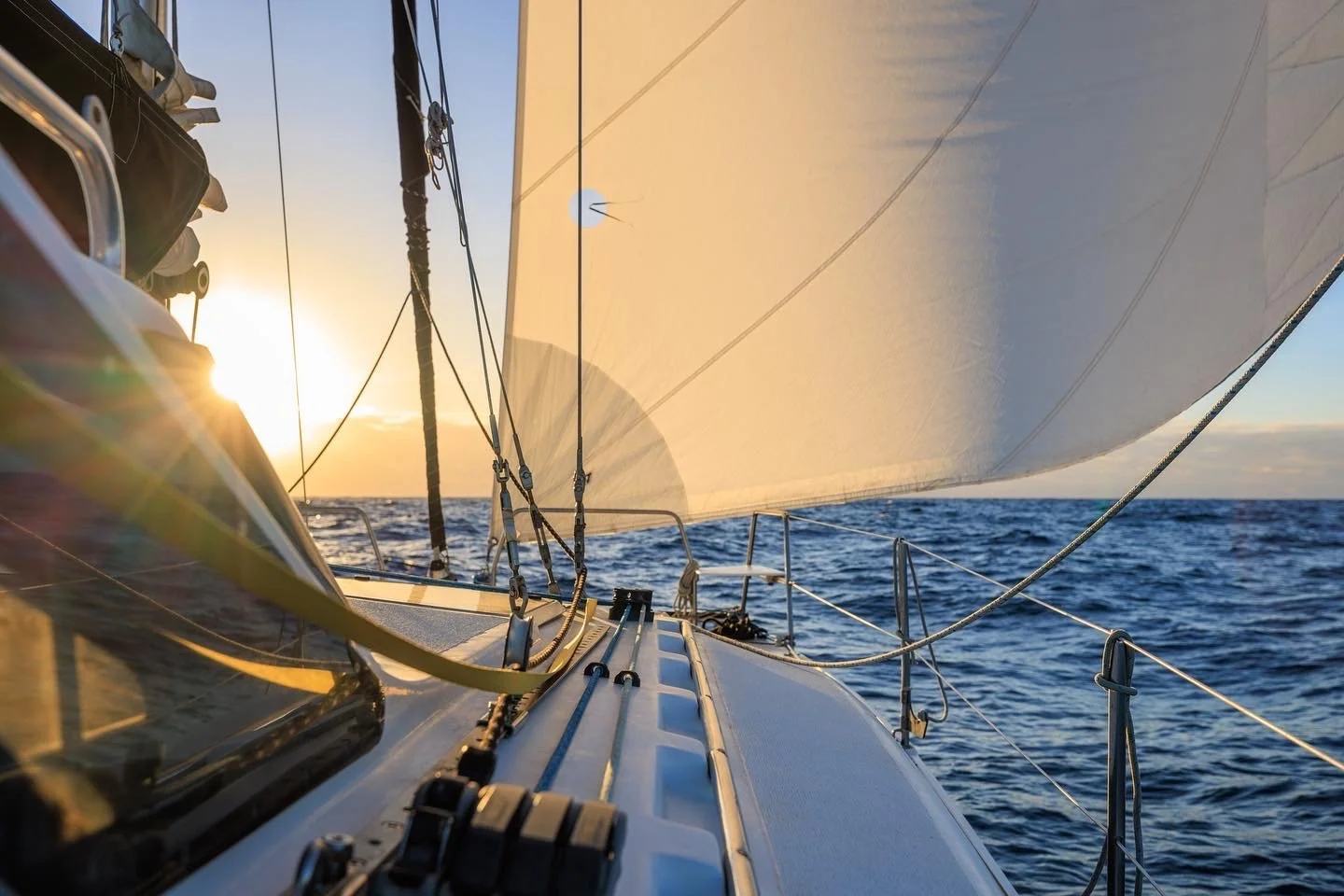
I spent two seasons cruising on my own sailboat in Mexico, and one of the biggest lessons I took away from the experience was how much easier cruising becomes when your boat can take care of some of its own basic needs.
Having solar, lithium batteries, a watermaker, reliable communications and the right safety equipment didn't make the trip more adventurous.
They made it less stressful.
And that distinction is important.
The equipment wasn't the reason we went cruising. It simply meant that once we were out there, we could spend more time thinking about where we wanted to go and less time worrying about whether we had enough water, enough battery power or a reliable way to communicate.
For me, especially with my family aboard, that peace of mind was worth a lot.
Power: More Than Just Keeping the Lights On
One of the first things that becomes apparent when you spend significant time away from the dock is just how much of modern cruising depends on electricity.
Refrigeration, freezers, navigation equipment, autopilots, lighting, phones, computers, communications equipment and countless other small loads all add up.
At a marina, it is easy to forget about power. Plug into shore power and move on.
At anchor, the equation changes.
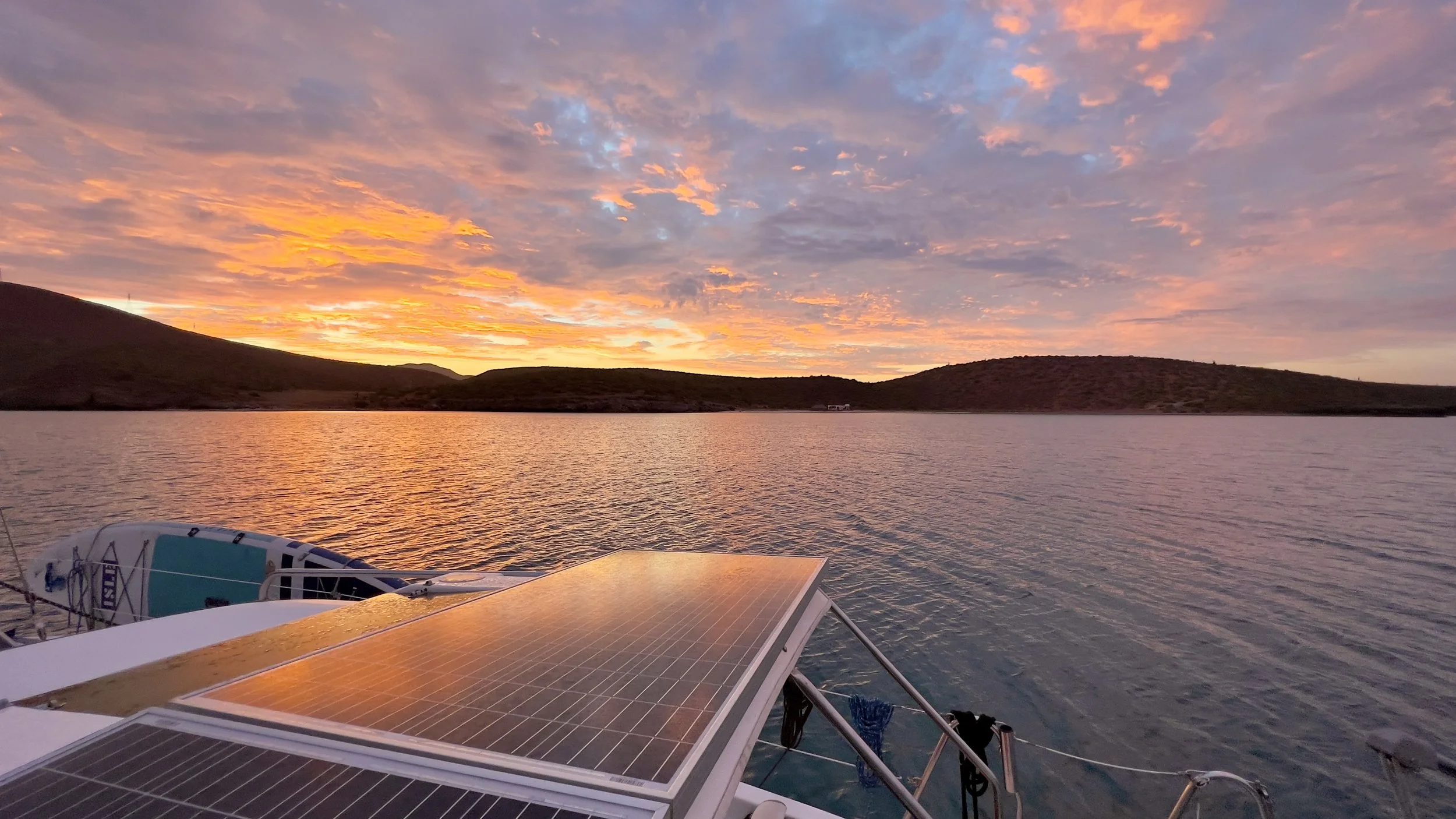
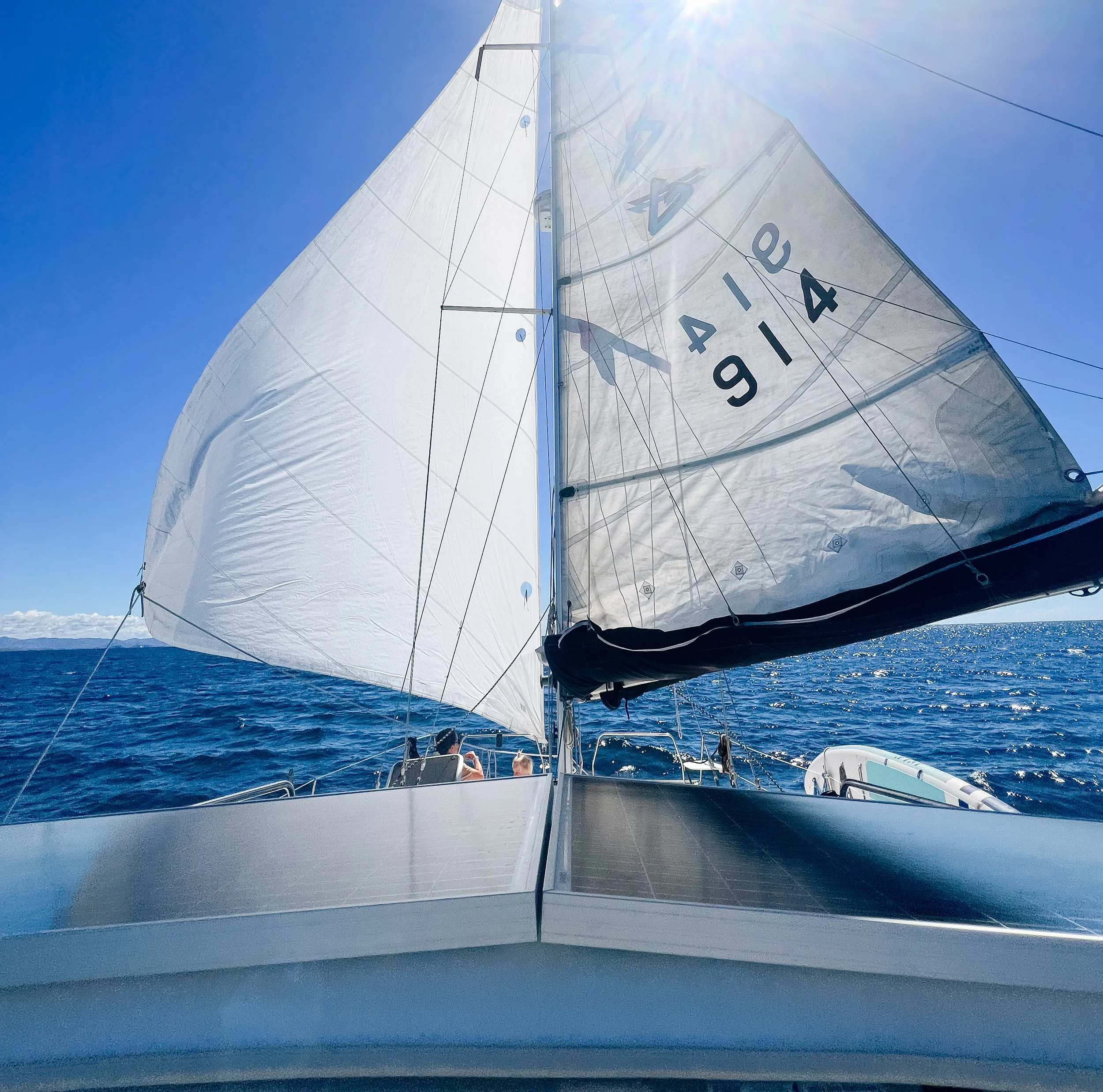
Solar and a properly sized battery bank can make a tremendous difference in how long you can stay away from the dock without running an engine or generator simply to recharge batteries.
For us, having solar and lithium batteries meant that power became much less of something we had to think about.
That was the real benefit.
We weren't constantly checking the battery monitor and asking ourselves how much longer we could run the refrigerator. We weren't planning our day around when we needed to charge the batteries.
We could simply use the boat.
That is one of the things I think is easy to miss when looking at equipment upgrades. The best systems aren't necessarily the ones you notice the most.
They are the ones you stop thinking about because they just work.
Water: The Freedom to Stay
Water is another resource that changes the way you cruise.
You can absolutely cruise Mexico without a watermaker. Plenty of people do.
But there is a big difference between having to constantly think about how much water you have left and knowing that you can make more when you need it.
A watermaker can turn water from a limiting factor into something that is much easier to manage.
Instead of thinking:
"How many days of water do we have left?"
you can start thinking:
"Do we want to stay here another few days?"
That kind of flexibility becomes especially valuable when you find an anchorage you really like.
Some of the best parts of cruising aren't the places you planned to visit. They're the places where you decide to stay a little longer.
Staying Connected Offshore
One of the biggest changes in cruising technology in recent years has been the ability to stay connected far from shore.
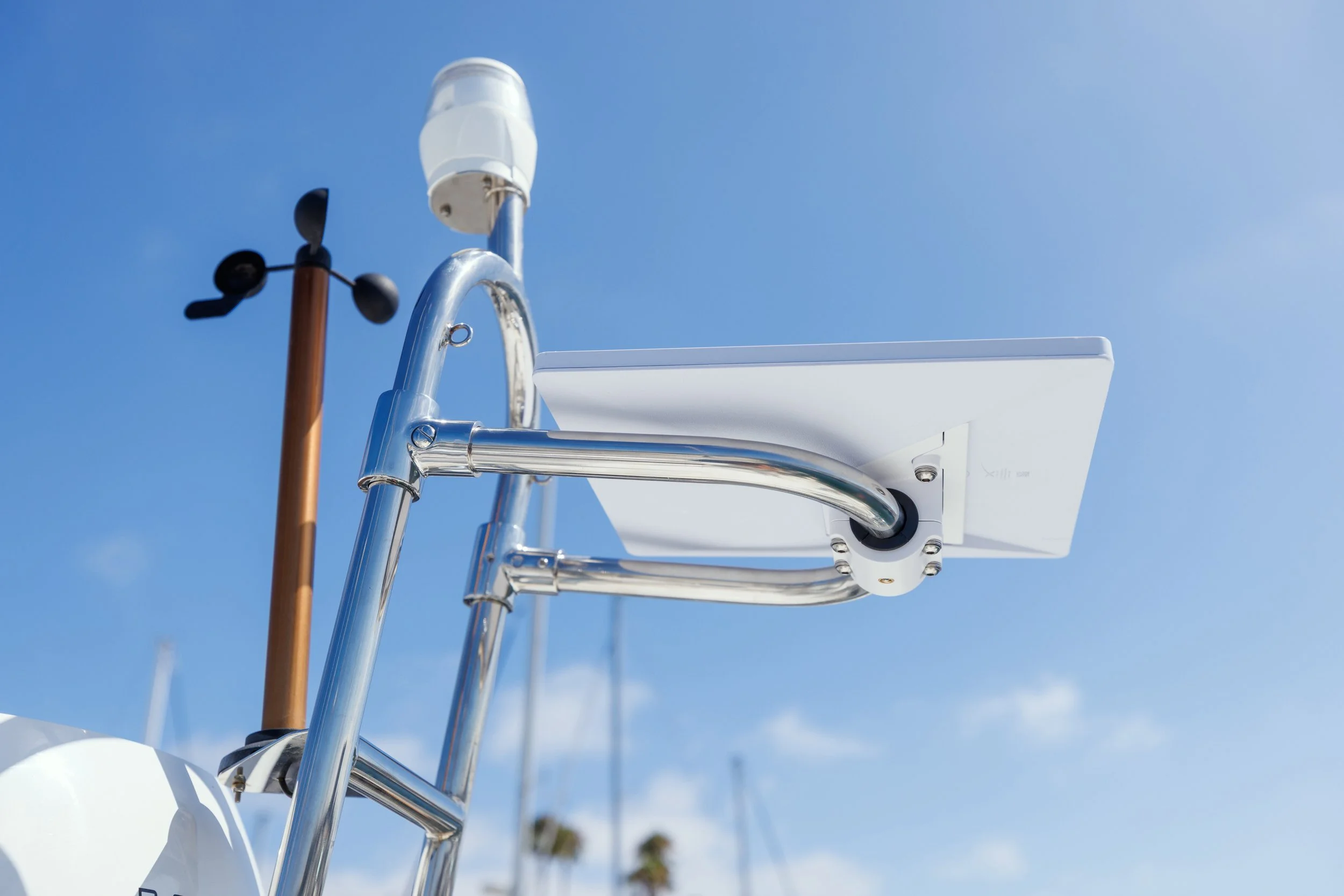
For us, Starlink was a huge part of that.
It wasn't simply about having internet while cruising.
Being able to check weather information, communicate with family, work while traveling and stay connected when cell service wasn't available made a significant difference.
There was also a psychological benefit.
I remember being offshore and knowing that, even though we were miles from land, I wasn't completely disconnected from the rest of the world.
That mattered even more when sailing with my family.
There is an important distinction, however: internet connectivity is not a substitute for dedicated emergency communications equipment. The Baja Ha-Ha currently requires participating boats to have long-distance, two-way communication capability and lists options including Starlink, Garmin inReach, Iridium GO!, satellite phones, VHF radio and other satellite communicators.
The right setup depends on your boat, your crew and your plans.
The important thing is having a reliable way to communicate when you're outside normal cell coverage.
Navigation and Knowing What's Around You
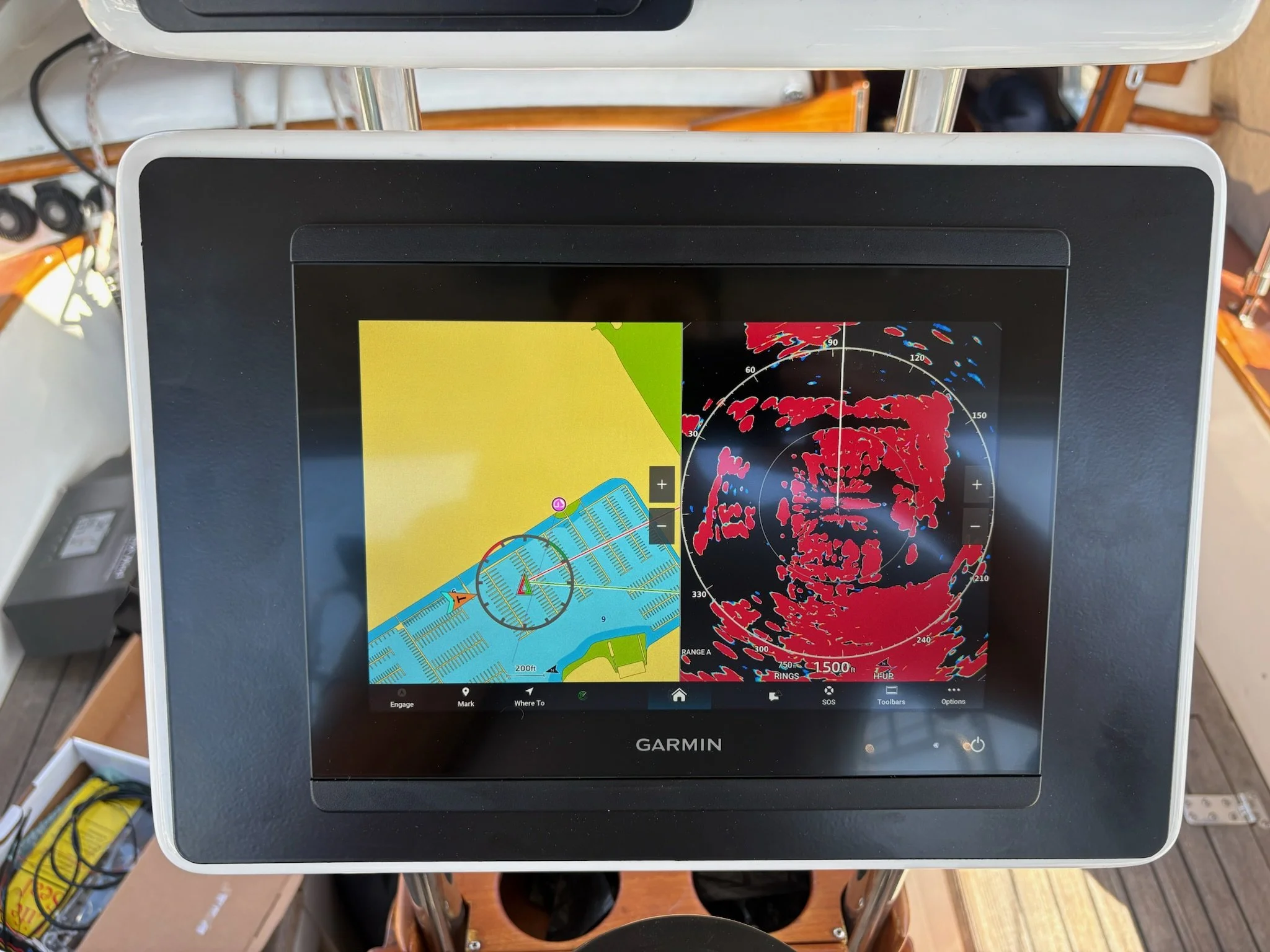
Modern marine electronics can make cruising dramatically easier, but the goal shouldn't be to fill the helm with screens.
The goal is awareness.
A reliable chartplotter, depth sounder, GPS, radar, AIS, autopilot and other navigation equipment can all contribute to a much better picture of what's happening around the boat.
An autopilot is a great example.
It doesn't replace the person at the helm. It simply allows the crew to spend more time monitoring the boat, weather and surroundings instead of physically steering every minute of a passage.
Radar and AIS can provide another layer of situational awareness.
Depth information becomes especially important when anchoring somewhere unfamiliar.
And a good chartplotter gives you the ability to plan a route, monitor your position and understand what's around you.
None of these systems make a boat invincible.
They simply give you more information with which to make good decisions.
Don't Forget the Boring Stuff
The equipment that gets the most attention is often the fun stuff: solar, lithium batteries, Starlink, new chartplotters and other technology.
But some of the most important preparation is much less exciting.
Before heading offshore, make sure you understand the condition of your:
Engine
Batteries and charging system
Bilge pumps
Steering system
Rigging
Through-hulls and seacocks
Plumbing
Fuel system
Electrical connections
Navigation lights
VHF radio
Safety equipment
And just as importantly, make sure you and your crew know how everything works.
A piece of equipment isn't much help if nobody knows how to use it when something goes wrong.
The Baja Ha-Ha does not inspect every boat before departure. The responsibility ultimately falls on the owner or skipper to make sure the boat is safely equipped and maintained.
That is probably one of the most important pieces of advice for anyone preparing for the trip.
Know your boat.
Safety Equipment Isn't About Expecting Something to Go Wrong
Nobody wants to spend months preparing for a cruising trip by imagining everything that could go wrong.
But having the right safety equipment can make it easier to enjoy the trip because you know you have options if something does happen.
Depending on your boat and cruising plans, that might include an EPIRB or PLB, life jackets and harnesses, jacklines, flares and signaling equipment, first-aid supplies, fire extinguishers, emergency steering arrangements, spare parts and appropriate communications equipment.
The specific equipment will vary from boat to boat.
The important part is having a plan.
If the engine quits, what happens?
If someone goes overboard, what happens?
If you lose electrical power, what happens?
If you lose your primary navigation equipment, what happens?
If you need to communicate with someone when you're outside cell coverage, what happens?
You don't need to obsess over these scenarios.
You just want to have thought about them before you need to.
The Real Goal: Self-Sufficiency
When people hear the term "self-sufficient," it can sound like you're preparing for some kind of expedition.
That's not really what I mean.
For me, self-sufficiency simply meant that we could spend more time away from the dock without constantly worrying about basic resources.
We had enough electrical capacity to comfortably run the systems we needed.
We had a way to make drinking water.
We had reliable navigation and communications.
We had safety equipment that gave us options when we were far from shore.
That allowed us to focus on what we were actually there to do:
Sail. Explore. Relax. Spend time together.
And that, ultimately, is what I think a well-prepared cruising boat should accomplish.
Preparing Your Boat for Mexico
If you're planning to sail south from San Diego this fall or winter, you don't necessarily need to completely overhaul your boat.
Start by looking at the systems you already have.
What works well?
What constantly causes problems?
What do you find yourself worrying about?
Where are you dependent on shore power, marina facilities or cellular service?
What would make life easier if you were sitting at anchor for a week instead of tied to a dock?
Those questions will usually tell you more about what your boat needs than a generic equipment checklist.
For one boat, the answer might be a better battery bank and solar.
For another, it might be a watermaker.
For someone else, it might simply be replacing an unreliable VHF, fixing an electrical problem or making sure their navigation equipment is dependable.
There is no perfect cruising setup.
There is only the setup that gives you confidence in your boat and allows you to enjoy the way you want to cruise.
Go South
The Baja Ha-Ha is one of the most popular ways for Southern California sailors to make the trip south, but you don't have to participate in the rally to enjoy cruising Mexico.
Whether you're joining the Ha-Ha, heading to the Sea of Cortez, spending the winter in Baja or continuing farther south, the same principle applies:
Prepare the boat so you can spend less time worrying about the boat.
That was one of the biggest lessons I took away from my own time cruising Mexico.
The solar panels, batteries, watermaker, communications equipment and electronics weren't what made the adventure memorable.
They simply made it easier to forget about the equipment and enjoy the adventure.
And that's probably the best test of any cruising system:
Does it help you spend more time enjoying the place you're in?
If you're preparing your boat for a trip to Mexico, take the time to understand your boat, identify its weak points and make sure you have a plan for the systems you depend on.
Then point the bow south.
Mexico will be waiting.
Jeremy Davidson - Office Manager, Upgrade Marine